

Efficient Emulsifiers
Your Professional Efficient Emulsifiers Supplier!
Guangdong Sanhe Daily Chemical Industry Co., Ltd.(Short for "Sanhe Daily"), established in 2024, a service platform company integrating raw materials research and development, formula application development, technology promotion and raw materials promotion/cosmetics OEM/ODM, etc.
Efficient emulsifiers are compounds that help mix two or more immiscible substances, such as oil and water, into a stable and uniform mixture.
Why Choose Us
Our products
Our products include surfactants, thickeners, conditioners, preservatives, moisturizers, film formers, natural surfactants, natural oils, essential oils, etc.
Product applications
Our products are used in scalp and hair care, body care, facial care, sunscreen care, baby care, private parts care, pet care, etc.
Production equipment
Our company has extraction equipment, fermentation equipment, essential oil extraction equipment, molecular distillation equipment, and synthetic compound production equipment.
OEM/ODM service
Our team of experts will work closely with you to understand your needs and provide customized solutions that meet your expectations.


Benefits of efficient emulsifiers
Stability:
Efficient emulsifiers help to stabilize the mixture of two immiscible liquids by reducing the interfacial tension between them.
Uniformity:
Efficient emulsifiers help to create a uniform mixture of two immiscible liquids, resulting in a homogeneous product.
Texture:
Efficient emulsifiers can improve the texture of a product by providing a smooth and creamy consistency.
Functionality:
Efficient emulsifiers can enhance the functionality of a product by enabling the incorporation of incompatible ingredients.
Applications of efficient emulsifiers
Food industry
Efficient emulsifiers are used extensively in the food industry to create a wide range of products with desirable textures, consistency, and stability. Efficient emulsifiers help to stabilize the mixture and prevent separation of the oil and water components, resulting in a smooth and creamy texture.
Personal care industry
Efficient emulsifiers are used in many personal care products, including lotions, creams, shampoos, and conditioners. In these products, efficient emulsifiers help to stabilize the mixture of oil and water-based ingredients, creating a smooth and homogeneous texture.
Pharmaceutical industry
Efficient emulsifiers are used in various pharmaceutical formulations such as creams, ointments, and liquid medicines. They help to improve the solubility and bioavailability of the active ingredient, making it easier for the body to absorb.
Industrial applications
Efficient emulsifiers are used in various industrial applications, including lubricants, cutting fluids, and coatings. In lubricants, efficient emulsifiers help to mix the oil and water components, resulting in a stable and homogeneous mixture that reduces friction and improves lubrication. In cutting fluids, efficient emulsifiers help to improve the cooling and lubrication properties, resulting in better cutting performance. In coatings, efficient emulsifiers help to stabilize the mixture of the pigment and binder, resulting in a uniform and stable color and texture.
Agricultural applications
Efficient emulsifiers can help to create a stable and homogeneous mixture of the pesticide and water, resulting in better coverage and penetration of the plant surface. Efficient emulsifiers are also used in animal feed to improve the digestibility of the nutrients and enhance the growth and health of the animals.
Oil and gas industry
Efficient emulsifiers are used in the oil and gas industry to create stable emulsions of oil and water, which are commonly found in oil production and drilling operations. Efficient emulsifiers help to prevent the separation of oil and water, allowing for easier processing and transportation of the oil.
Silicone emulsifier
Silicone emulsifiers are liquid at room temperature and have an affinity for silicone and organic oils. They are often used to reduce the cost of formulations by emulsifying up to 80% water.
Polymeric emulsifiers
Polymeric emulsifiers are composed of long-chain molecules and are often used in industrial applications. They can provide improved stability and viscosity control.
Ionic emulsifiers
Ionic emulsifiers are categorized into two groups: anionic and cationic. Anionic emulsifiers are negatively charged and are typically used in alkaline conditions, while cationic emulsifiers are positively charged and are often used in acidic conditions.
Non-ionic emulsifiers
Non-ionics emulsifiers remain the first choice go-to emulsifiers for most applications. This is due to their flexibility and low potential for chemical interaction. Non-ionic emulsifiers are those that are free from any external electrical charge caused by free ions.
Amphoteric emulsifiers
Amphoteric emulsifiers are emulsifiers that can exhibit both anionic and cationic properties. This depends on the pH of the surrounding environment.
Ensure complete dissolution and dispersion
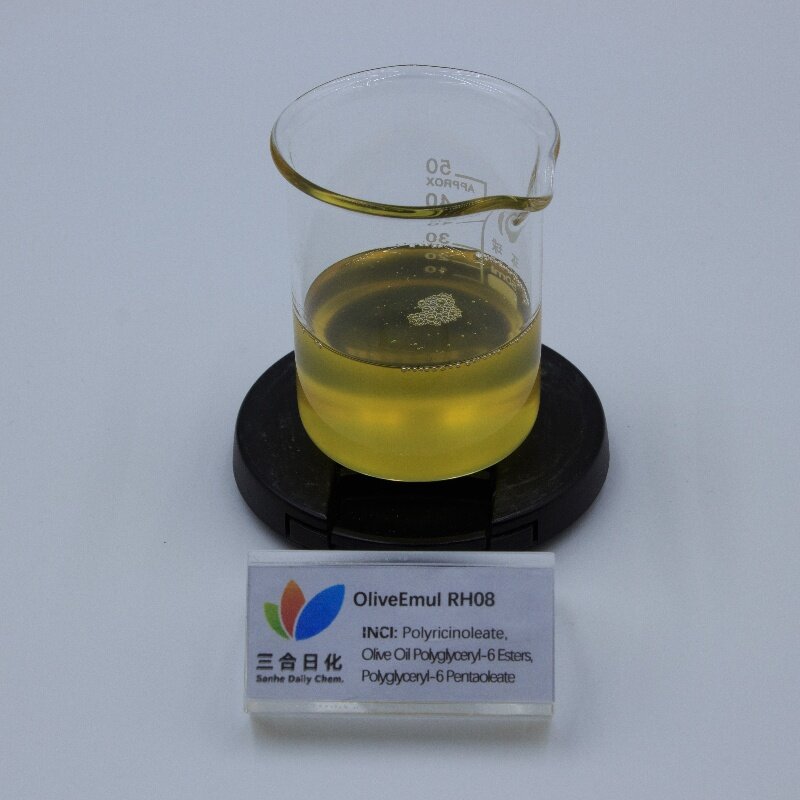
Ensure complete dissolution and dispersion
Before use, fully dissolve or disperse emulsifiers in either the water or oil phase to ensure even distribution. For solid emulsifiers, melt them before adding to the mixture; for liquids, simply add and mix well.
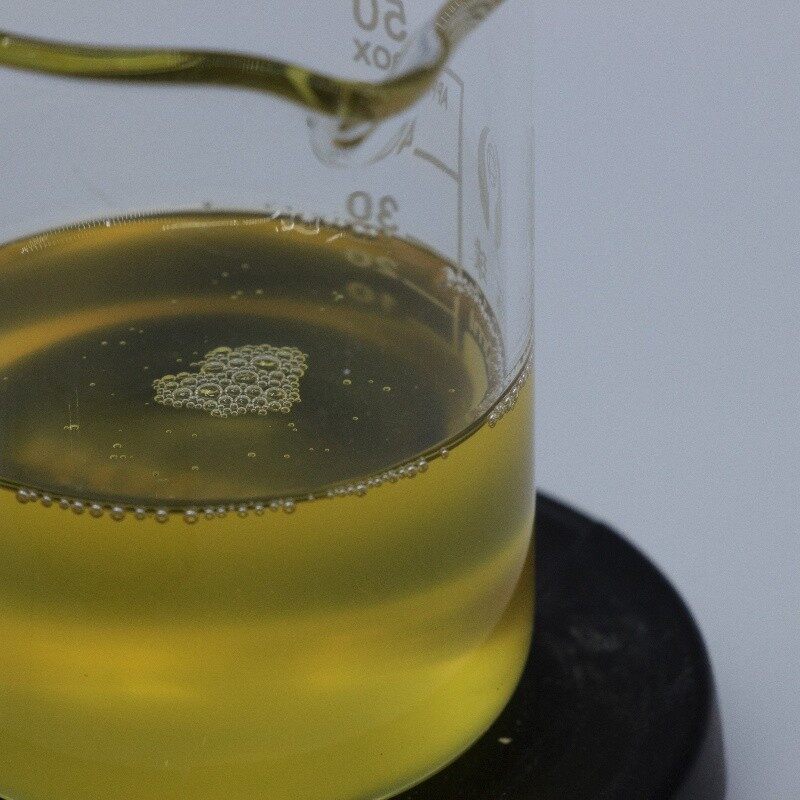
Control mixing speed and time
Mixing speed and duration significantly affect emulsification. High speeds can create excess foam, while low speeds May not distribute the emulsifier adequately. Adjust speed and time based on the emulsion’s properties.
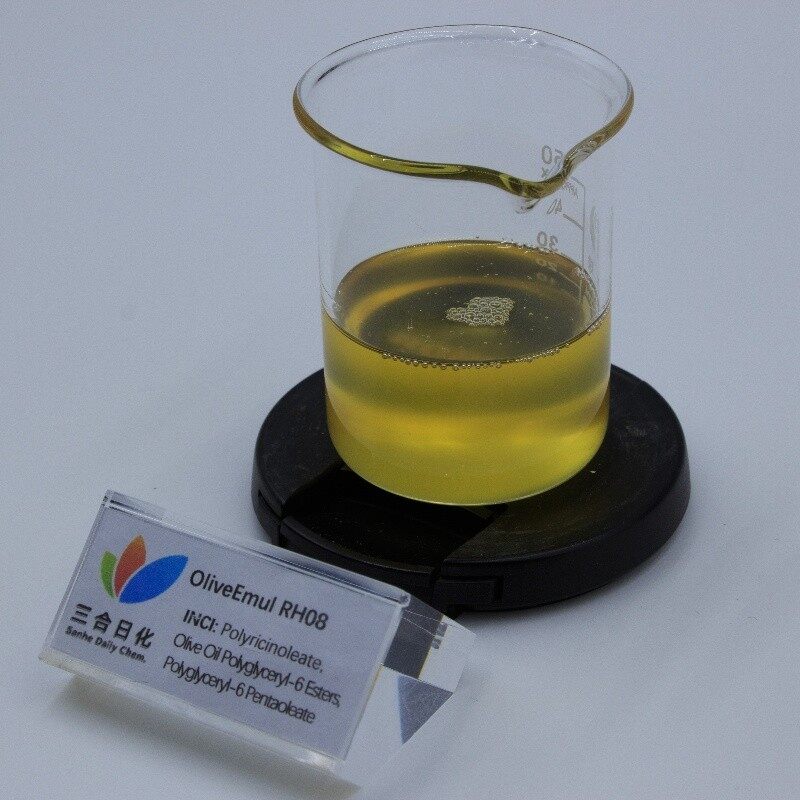
Attention to addition order
The order of adding emulsifiers impacts the emulsification outcome. Generally, emulsifiers should be added to either the water or oil phase before mixing the two phases. Incorrect order May hinder emulsifier effectiveness.
Storage and transportation
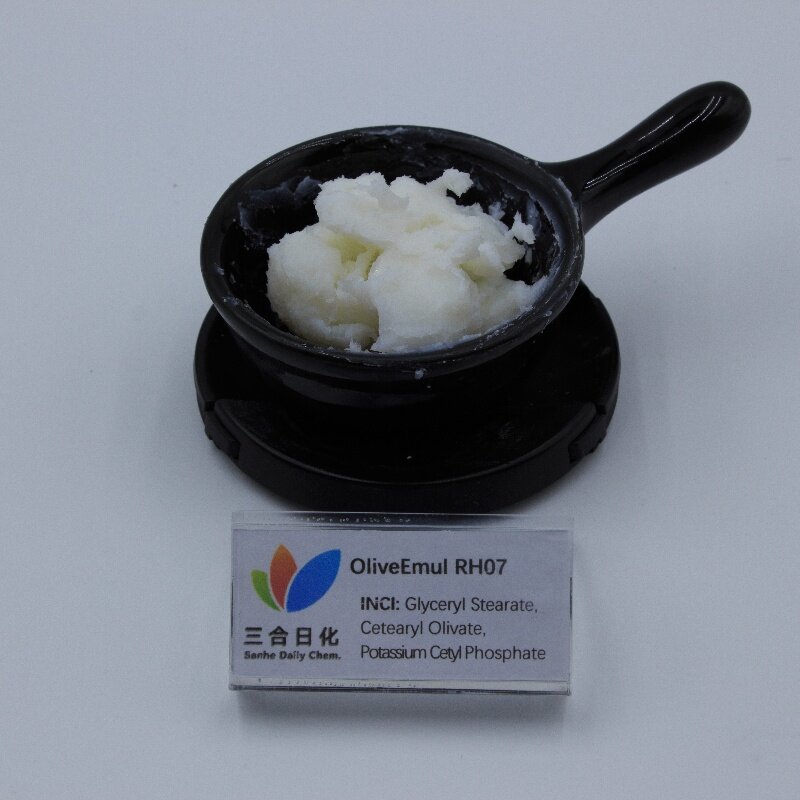
Storage conditions
Store emulsifiers in a dry, cool, well-ventilated area, away from direct sunlight and high temperatures. Some emulsifiers are sensitive to humidity and should be kept in low-humidity environments. For example, glycerol monostearate should be stored in sealed containers to prevent moisture absorption and oxidation.
Transportation considerations
Avoid severe shaking and collisions during transportation to prevent damage to the packaging. Select appropriate transport methods and temperature conditions based on the emulsifier’s properties. For temperature-sensitive emulsifiers, consider refrigerated transport or insulation measures.
FAQ
We're professional efficient emulsifiers suppliers in China, specialized in providing high quality products with low price. Please rest assured to buy customized efficient emulsifiers made in China here from our factory. For free sample, contact us now.