

Can Paeonol be used in the treatment of oral diseases?
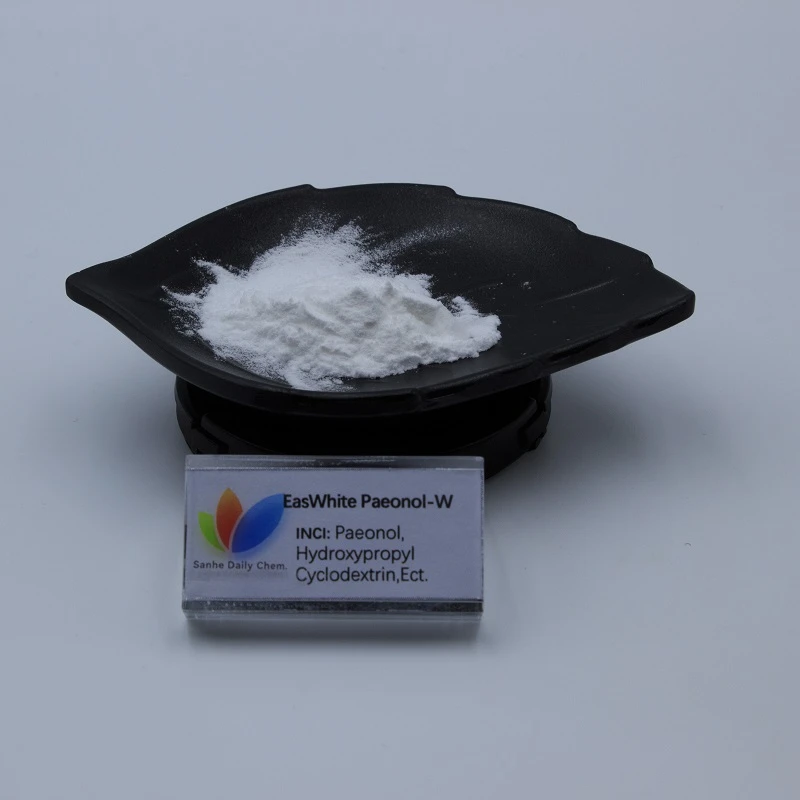
As a Paeonol supplier, I've been closely following the latest research and applications of this remarkable compound. Paeonol, a natural phenolic compound extracted from the root bark of Paeonia suffruticosa Andrews and other plants, has long been recognized for its diverse pharmacological properties. In recent years, there has been growing interest in exploring its potential use in the treatment of oral diseases.
1. Overview of Oral Diseases
Oral diseases are a significant public health concern worldwide. Conditions such as dental caries, periodontal diseases, oral mucosal diseases, and oral cancer not only cause pain and discomfort but also have a profound impact on an individual's quality of life. Dental caries, for example, is one of the most common chronic diseases, affecting people of all ages. Periodontal diseases, which involve the inflammation and destruction of the supporting structures of the teeth, can lead to tooth loss if left untreated. Oral mucosal diseases, including oral ulcers and lichen planus, can cause pain, difficulty in eating and speaking, and in some cases, may be precancerous.
2. Pharmacological Properties of Paeonol
Paeonol exhibits a wide range of pharmacological activities, which make it a promising candidate for the treatment of oral diseases.
- Anti - inflammatory Activity: Inflammation is a key component in many oral diseases. Paeonol has been shown to inhibit the production of pro - inflammatory cytokines such as tumor necrosis factor - α (TNF - α), interleukin - 1β (IL - 1β), and interleukin - 6 (IL - 6). By suppressing the inflammatory response, it can potentially reduce the swelling, pain, and tissue damage associated with oral inflammation. For example, in a study on periodontal inflammation, Paeonol was found to downregulate the expression of inflammatory mediators in periodontal ligament cells, suggesting its potential in the treatment of periodontal diseases [1].
- Antibacterial Activity: Many oral diseases are caused by bacteria. Paeonol has demonstrated antibacterial effects against a variety of oral pathogens, including Streptococcus mutans, the primary bacterium responsible for dental caries. It can disrupt the cell membrane of bacteria, inhibit their growth and metabolism, and prevent the formation of dental biofilms. Biofilms are a major cause of persistent infections in the oral cavity, and the ability of Paeonol to target biofilms makes it a valuable agent in preventing and treating dental caries and other oral infections [2].
- Antioxidant Activity: Oxidative stress plays a role in the development and progression of many oral diseases. Paeonol has antioxidant properties, which can scavenge free radicals and reduce oxidative damage to oral tissues. This is particularly important in protecting the oral mucosa from damage caused by reactive oxygen species, which can contribute to the development of oral ulcers and other mucosal diseases [3].
- Analgesic Activity: Pain is a common symptom in oral diseases. Paeonol has been reported to have analgesic effects. It can act on the central and peripheral nervous systems to reduce pain perception. In the context of oral diseases, this can provide relief to patients suffering from toothache, mucosal pain, and other forms of oral discomfort [4].
3. Potential Applications in Oral Diseases
3.1 Dental Caries
Dental caries is a multifactorial disease caused by the interaction between bacteria, dietary sugars, and the host. Paeonol's antibacterial and anti - biofilm properties make it a potential preventive and therapeutic agent for dental caries. It can be incorporated into toothpaste, mouthwashes, or other oral care products to inhibit the growth of Streptococcus mutans and other cariogenic bacteria. By reducing the formation of biofilms on the tooth surface, it can prevent the demineralization of tooth enamel and the development of cavities.
3.2 Periodontal Diseases
Periodontal diseases are characterized by inflammation and destruction of the periodontal tissues. Paeonol's anti - inflammatory and antioxidant activities can help to reduce the inflammation in the periodontal tissues, protect the periodontal ligament cells from oxidative damage, and promote tissue repair. It can be used in the form of periodontal gels, mouthwashes, or local delivery systems to target the affected periodontal pockets. Clinical studies are needed to further evaluate its efficacy in the treatment of periodontal diseases, but the pre - clinical evidence is promising.

3.3 Oral Mucosal Diseases
Oral mucosal diseases, such as oral ulcers and lichen planus, are often associated with inflammation and oxidative stress. Paeonol's anti - inflammatory, antioxidant, and analgesic properties can provide relief from pain, reduce inflammation, and promote the healing of oral ulcers. It can be formulated into oral mucosal patches, gels, or sprays for direct application to the affected area. For example, in a preliminary study on oral ulcers, Paeonol - containing formulations were found to accelerate the healing process and reduce the pain intensity [5].
4. Comparison with Other Oral Treatment Ingredients
When considering the use of Paeonol in oral treatments, it's useful to compare it with other common ingredients.
- Calamine: Calamine is often used in topical formulations for its soothing and anti - itching properties. While it can be beneficial for skin conditions, its antibacterial and anti - inflammatory effects in the oral cavity are relatively limited compared to Paeonol. Paeonol offers a broader spectrum of activities, including antibacterial, antioxidant, and analgesic effects, which are more relevant to the treatment of oral diseases.
- Avena Sativa (Oat) Extract: Avena Sativa (Oat) Extract is known for its moisturizing and soothing properties. It can help to relieve dryness and irritation in the oral mucosa. However, Paeonol has more potent antibacterial and anti - inflammatory activities, which are crucial for treating oral infections and inflammatory diseases.
5. Safety and Formulation Considerations
Paeonol is generally considered to be safe for use in oral formulations. It has a long history of use in traditional medicine, and numerous studies have demonstrated its low toxicity. However, like any other active ingredient, proper formulation is essential to ensure its stability, efficacy, and safety.
When formulating Paeonol into oral products, factors such as solubility, bioavailability, and compatibility with other ingredients need to be considered. For example, Paeonol has relatively low solubility in water, and appropriate solubilizing agents may be required to ensure its uniform distribution in oral care products. Additionally, the pH and temperature conditions during formulation and storage can affect the stability of Paeonol.
6. Conclusion and Call to Action
In conclusion, Paeonol shows great potential in the treatment of oral diseases due to its anti - inflammatory, antibacterial, antioxidant, and analgesic properties. Its use in oral care products could provide a natural and effective alternative to traditional treatments. As a Paeonol supplier, we are committed to providing high - quality Paeonol for the development of innovative oral care products.
If you are interested in exploring the use of Paeonol in your oral care formulations or have any questions about its application, we invite you to contact us for further discussion and procurement. We believe that through collaboration, we can contribute to the improvement of oral health with the power of Paeonol.
References
[1] Zhang, X., et al. (2018). Anti - inflammatory effects of paeonol on periodontal ligament cells stimulated by lipopolysaccharide. International Journal of Molecular Medicine, 41(3), 1333 - 1342.
[2] Li, Y., et al. (2019). Antibacterial and anti - biofilm effects of paeonol against Streptococcus mutans. Archives of Oral Biology, 100, 104507.
[3] Wang, Y., et al. (2020). Protective effects of paeonol on hydrogen peroxide - induced oxidative stress in human oral mucosal cells. Oxidative Medicine and Cellular Longevity, 2020, 8834312.
[4] Liu, J., et al. (2017). Analgesic mechanism of paeonol: A review. Evidence - Based Complementary and Alternative Medicine, 2017, 3619286.
[5] Chen, S., et al. (2021). Efficacy of paeonol - containing formulation in the treatment of recurrent oral ulcers: A preliminary study. Journal of Oral Medicine and Oral Surgery, 27(1), 1 - 6.