

Ubiquinone, also known as coenzyme Q10 (CoQ10), is a naturally occurring compound found in every cell of the human body. It plays a crucial role in the production of energy within cells and acts as a powerful antioxidant. In recent years, there has been growing interest in the potential of ubiquinone to prevent strokes. As a supplier of high - quality ubiquinone, I am excited to explore this topic in depth.
The Biology of Ubiquinone
Ubiquinone is involved in the electron transport chain within the mitochondria, the powerhouses of the cell. It helps convert food into adenosine triphosphate (ATP), the energy currency of the cell. Without an adequate supply of ubiquinone, cells may not function optimally, leading to a variety of health issues.
In addition to its energy - producing role, ubiquinone is a potent antioxidant. It helps protect cells from oxidative stress, which is caused by an imbalance between the production of free radicals and the body's ability to neutralize them. Oxidative stress is linked to many chronic diseases, including cardiovascular diseases such as strokes.
Strokes: A Global Health Concern
Strokes are a leading cause of death and disability worldwide. A stroke occurs when the blood supply to part of the brain is interrupted, either due to a blockage (ischemic stroke) or bleeding (hemorrhagic stroke). Risk factors for strokes include high blood pressure, high cholesterol, diabetes, smoking, and a sedentary lifestyle.
Preventing strokes is of utmost importance, as the consequences can be severe and long - lasting. Lifestyle modifications such as a healthy diet, regular exercise, and smoking cessation are key preventive measures. However, there is also growing interest in the role of nutritional supplements like ubiquinone in stroke prevention.
The Potential of Ubiquinone in Stroke Prevention
Several mechanisms suggest that ubiquinone may have a protective effect against strokes.
Antioxidant Activity
As an antioxidant, ubiquinone can help reduce oxidative stress in blood vessels. Oxidative stress can damage the inner lining of blood vessels (endothelium), leading to inflammation, plaque formation, and increased risk of blood clots. By neutralizing free radicals, ubiquinone may help maintain the integrity of blood vessels and prevent the development of atherosclerotic plaques, which are a major cause of ischemic strokes.
Energy Production
The brain is a highly energy - demanding organ. During a stroke, the lack of blood supply deprives brain cells of oxygen and nutrients, leading to energy depletion and cell death. Ubiquinone's role in energy production may help brain cells withstand the ischemic insult and recover more effectively. By ensuring that cells have an adequate supply of ATP, ubiquinone may improve the resilience of brain tissue to stroke - related damage.
Blood Pressure Regulation
High blood pressure is a major risk factor for strokes. Some studies have suggested that ubiquinone may help lower blood pressure. It may act by improving endothelial function, reducing oxidative stress, and enhancing the production of nitric oxide, a molecule that helps relax blood vessels. By regulating blood pressure, ubiquinone could potentially reduce the risk of both ischemic and hemorrhagic strokes.
Scientific Evidence
While the theoretical mechanisms suggest that ubiquinone may be beneficial for stroke prevention, the scientific evidence is still evolving.
Some observational studies have found associations between higher levels of ubiquinone in the body and a lower risk of cardiovascular diseases, including strokes. However, observational studies can only show associations and not causation.
There have been a limited number of randomized controlled trials (RCTs) on the effect of ubiquinone on stroke prevention. One small RCT found that ubiquinone supplementation improved endothelial function in patients with hypertension, which is a risk factor for strokes. Another study showed that ubiquinone reduced oxidative stress markers in patients with coronary artery disease.
Overall, more large - scale, well - designed RCTs are needed to definitively establish the role of ubiquinone in stroke prevention.
Other Related Nutraceuticals and Ingredients
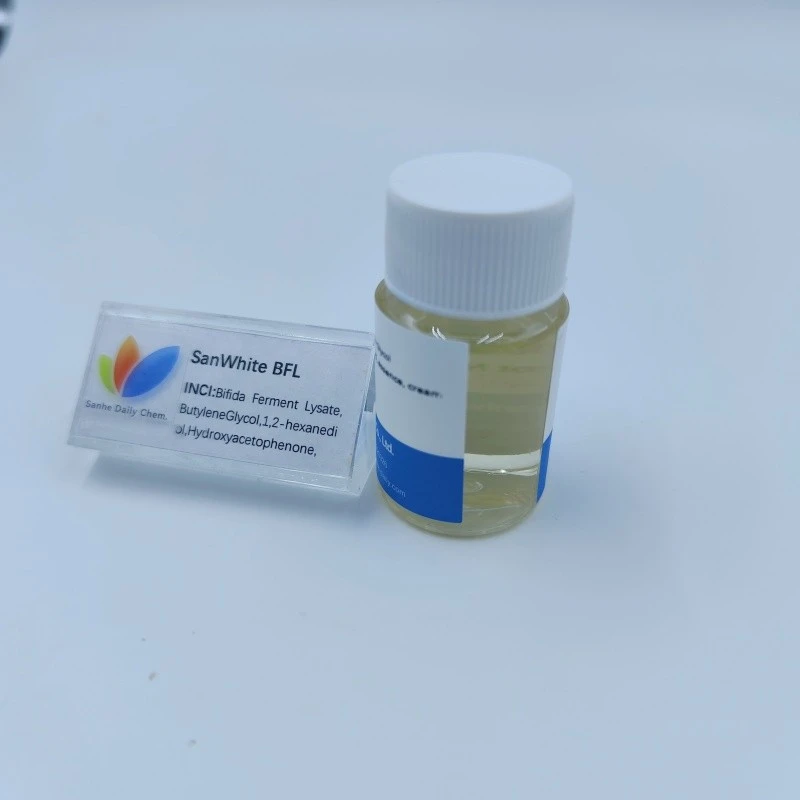
In the realm of anti - aging and health - promoting ingredients, there are other compounds that are also worth mentioning. Bifida Ferment Lysate, Butylene Glycol, 1,2 - hexanediol, Hydroxyacetophenone, Water is a combination that has shown potential in various skin and health applications. It may contribute to overall well - being and complement the effects of ubiquinone.
Euglena Gracilis Polysaccharide is another interesting ingredient. It has unique properties that may have implications for health, including possible antioxidant and anti - inflammatory effects, which could be relevant in the context of stroke prevention.
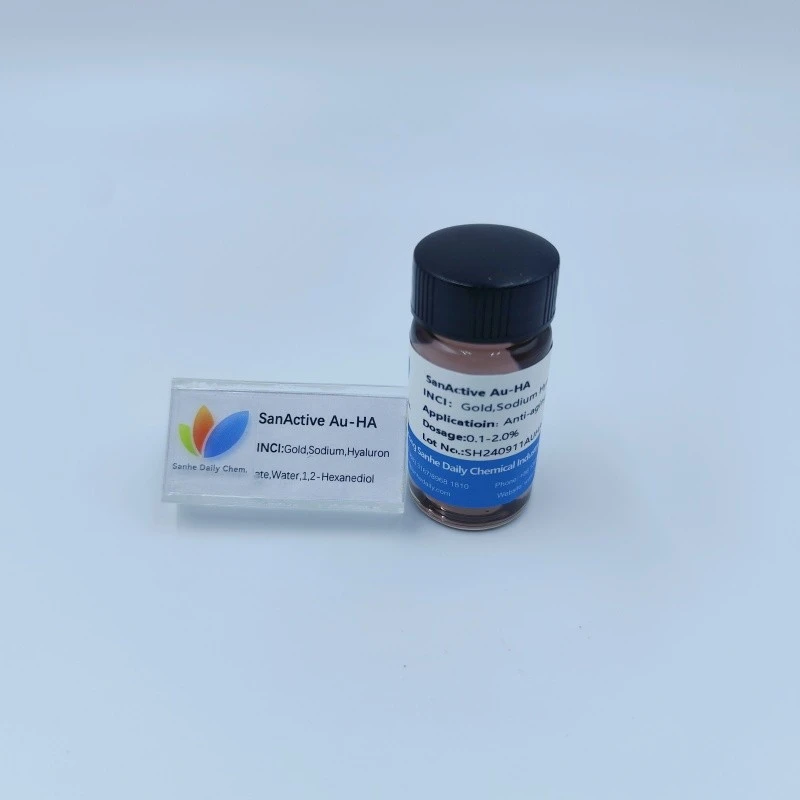
Gold, Sodium Hyaluronate, Water, 1,2 - Hexanediol is also used in some health and beauty products. Although its direct link to stroke prevention is less clear, its potential benefits for overall health and cellular function cannot be ignored.
Our Ubiquinone Products
As a supplier of ubiquinone, we offer high - quality products that are carefully sourced and manufactured. Our ubiquinone is available in different forms, such as softgels and powders, to meet the diverse needs of our customers.
We ensure that our products are pure, stable, and bioavailable. Our manufacturing processes adhere to strict quality control standards to guarantee the safety and efficacy of our ubiquinone supplements.
Conclusion and Call to Action
While the evidence for using ubiquinone to prevent strokes is still emerging, the potential benefits are promising. The antioxidant, energy - producing, and blood - pressure - regulating properties of ubiquinone suggest that it may play a role in reducing the risk of strokes.
As a supplier, we are committed to providing high - quality ubiquinone products to those interested in exploring its health benefits. If you are a healthcare professional, a nutraceutical company, or an individual interested in incorporating ubiquinone into your health regimen, we invite you to contact us for more information and to discuss potential procurement opportunities. We look forward to partnering with you to promote health and well - being.
References
- Bent S, Goldberg H, Padula A, et al. Coenzyme Q10 for hypertension: a meta - analysis of randomized controlled trials. American Journal of Clinical Nutrition. 2010;91(5):1020 - 1027.
- Littarru GP, Tiano L. Coenzyme Q10 in human health and disease. Biochimica et Biophysica Acta (BBA) - Molecular Basis of Disease. 2013;1832(8):1416 - 1428.
- Singh RB, Niaz MA, Rastogi SS, et al. Antioxidant vitamins and cardiovascular events in high - risk patients: the Indian experiment of infarct survival - 4. British Medical Journal. 1996;313(7070):1381 - 1386.