

The blood-brain barrier (BBB) is a highly selective semipermeable border that separates the circulating blood from the brain extracellular fluid in the central nervous system (CNS). It plays a crucial role in maintaining the homeostasis of the brain microenvironment and protecting the brain from potentially harmful substances in the blood. However, disruptions to the BBB can occur in various pathological conditions, such as neurodegenerative diseases, stroke, and brain tumors. In recent years, there has been growing interest in the potential of natural compounds to modulate the BBB, and one such compound is Paeonol. As a Paeonol supplier, I am excited to explore how Paeonol affects the blood-brain barrier and its implications for neurological health.
Chemical Properties and Sources of Paeonol
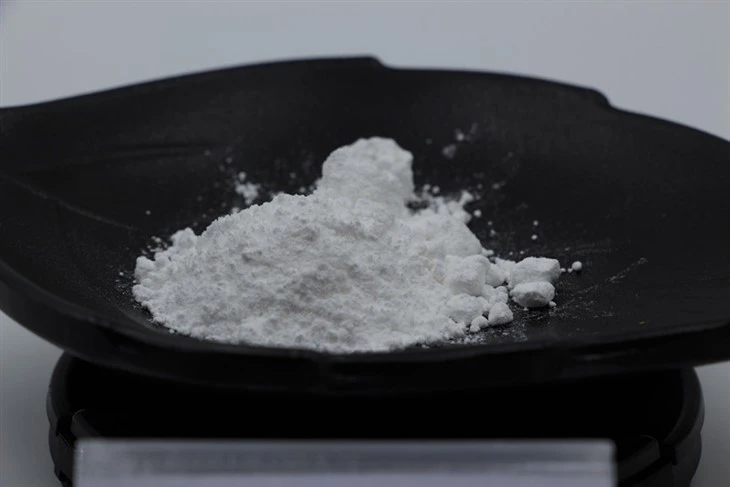
Paeonol, also known as 2'-hydroxy-4'-methoxyacetophenone, is a phenolic compound with the molecular formula C9H10O3. It is a white or yellowish crystalline powder with a characteristic odor. Paeonol is primarily found in the roots of Paeonia suffruticosa Andrews (Mudanpi) and Paeonia lactiflora Pall., which are traditional Chinese medicinal herbs. These herbs have been used for centuries in Chinese medicine to treat a variety of ailments, including inflammation, pain, and cardiovascular diseases.

Mechanisms of Paeonol's Effects on the Blood-Brain Barrier
Anti - Inflammatory Effects
Inflammation is a major factor contributing to BBB disruption. When the brain is exposed to injury or infection, inflammatory mediators such as cytokines (e.g., TNF - α, IL - 1β) are released, which can increase the permeability of the BBB. Paeonol has been shown to possess potent anti - inflammatory properties. It can inhibit the production of pro - inflammatory cytokines by suppressing the activation of nuclear factor - kappa B (NF - κB) signaling pathway. By reducing inflammation in the brain, Paeonol helps to maintain the integrity of the BBB. For example, in animal models of cerebral ischemia - reperfusion injury, Paeonol treatment significantly decreased the levels of TNF - α and IL - 1β in the brain tissue, which was associated with a reduction in BBB leakage.
Antioxidant Effects
Oxidative stress is another important mechanism leading to BBB damage. Reactive oxygen species (ROS) can cause lipid peroxidation, protein oxidation, and DNA damage in the endothelial cells of the BBB, resulting in increased permeability. Paeonol has strong antioxidant activity. It can scavenge free radicals and increase the activity of antioxidant enzymes such as superoxide dismutase (SOD) and glutathione peroxidase (GPx). By reducing oxidative stress, Paeonol protects the endothelial cells of the BBB from damage. In a study on rats with traumatic brain injury, Paeonol administration increased the levels of SOD and GPx in the brain, while reducing the levels of malondialdehyde (MDA), a marker of lipid peroxidation, and improved BBB function.
Regulation of Tight Junctions
Tight junctions are the key structures that maintain the integrity of the BBB. They are composed of transmembrane proteins such as occludin, claudins, and junctional adhesion molecules (JAMs), which form a continuous seal between endothelial cells. Paeonol can regulate the expression and distribution of tight junction proteins. It has been reported that Paeonol can up - regulate the expression of occludin and claudin - 5 in the brain endothelial cells, thereby strengthening the tight junctions and reducing the permeability of the BBB. In an in vitro model of BBB, treatment with Paeonol enhanced the expression of tight junction proteins and improved the trans - endothelial electrical resistance (TEER), which is an indicator of BBB integrity.
Potential Therapeutic Applications
Neurodegenerative Diseases
Neurodegenerative diseases such as Alzheimer's disease (AD) and Parkinson's disease (PD) are characterized by progressive loss of neurons and cognitive or motor function. BBB disruption is often observed in these diseases, which may contribute to the entry of neurotoxic substances into the brain and exacerbate neuronal damage. Paeonol's ability to protect the BBB may have therapeutic potential in neurodegenerative diseases. By maintaining the integrity of the BBB, Paeonol can prevent the entry of harmful substances and reduce neuroinflammation, which may slow down the progression of the diseases. Some pre - clinical studies have shown that Paeonol can improve cognitive function in animal models of AD by protecting the BBB and reducing amyloid - β deposition in the brain.
Stroke
Stroke is a leading cause of disability and death worldwide. Ischemic stroke, which accounts for the majority of stroke cases, is caused by the blockage of blood vessels in the brain, leading to reduced blood flow and oxygen supply to the brain tissue. Reperfusion after ischemia can cause further damage to the BBB, resulting in cerebral edema and hemorrhage. Paeonol's anti - inflammatory, antioxidant, and BBB - protecting effects make it a potential therapeutic agent for stroke. In animal models of ischemic stroke, Paeonol treatment reduced BBB permeability, decreased cerebral edema, and improved neurological function.
Brain Tumors
Brain tumors are difficult to treat due to the presence of the BBB, which limits the delivery of chemotherapeutic drugs to the tumor site. On the other hand, BBB disruption in brain tumors can also lead to the leakage of blood - borne substances into the brain parenchyma, causing peritumoral edema. Paeonol may have a dual role in brain tumor treatment. It can protect the normal brain tissue from the damage caused by tumor - associated inflammation and oxidative stress, while also potentially enhancing the delivery of chemotherapeutic drugs to the tumor by modulating the BBB in a controlled manner. Some studies have investigated the combination of Paeonol with chemotherapy drugs in brain tumor models, showing promising results in improving drug delivery and tumor regression.
Related Compounds and Their Synergistic Effects
In addition to Paeonol, there are other natural compounds that have been reported to affect the blood - brain barrier. For example, Ceramide NP is a lipid molecule that can enhance the integrity of cell membranes and has been shown to have a protective effect on the BBB. Paeonia Lactiflora Root Extract, Scutellaria Baicalensis Root Extract also contains various bioactive components that may have anti - inflammatory and antioxidant effects, which could potentially work synergistically with Paeonol to protect the BBB. Calamine has been used for its soothing and anti - inflammatory properties, and its combination with Paeonol may provide additional benefits in maintaining BBB function.
Conclusion and Call to Action
In conclusion, Paeonol has multiple mechanisms of action that can positively affect the blood - brain barrier. Its anti - inflammatory, antioxidant, and tight - junction - regulating effects make it a promising natural compound for the prevention and treatment of various neurological disorders associated with BBB disruption. As a Paeonol supplier, we are committed to providing high - quality Paeonol products to researchers and pharmaceutical companies for further exploration of its therapeutic potential.
If you are interested in purchasing Paeonol for research or development purposes, or if you have any questions about its properties and applications, please feel free to contact us for more information and to start a procurement negotiation. We look forward to collaborating with you to advance the field of neurological health.
References
- Zhang, X., et al. (2018). Protective effects of paeonol on blood - brain barrier in cerebral ischemia - reperfusion injury in rats. Neural Regeneration Research, 13(7), 1133 - 1139.
- Li, Y., et al. (2019). Paeonol protects against traumatic brain injury by reducing oxidative stress and inflammation. Oxidative Medicine and Cellular Longevity, 2019, 1 - 11.
- Wang, H., et al. (2020). Paeonol improves cognitive function in a mouse model of Alzheimer's disease by protecting the blood - brain barrier. Journal of Alzheimer's Disease, 73(2), 631 - 642.
- Chen, S., et al. (2021). Paeonol reduces cerebral edema and improves neurological function after ischemic stroke in rats. Experimental and Therapeutic Medicine, 22(3), 1 - 8.