

In the realm of polymers and chemical materials, carbomer resin stands out as a versatile and widely - used substance. As a dedicated carbomer resin supplier, I am excited to delve into the chemical structure of carbomer resin, shedding light on its unique properties and applications.
The Basics of Carbomer Resin
Carbomer resin is a high - molecular - weight polymer of acrylic acid cross - linked with allyl ethers of pentaerythritol or sucrose. These cross - linkages are the key to its distinctive characteristics. The general chemical formula of carbomer can be represented as a long - chain structure of acrylic acid units with cross - linking points at intervals.
The acrylic acid monomers are the building blocks of carbomer. Acrylic acid has the chemical formula CH₂=CHCOOH. During the polymerization process, the double bonds in the acrylic acid monomers break, and they link together to form long chains. The cross - linking agents, such as allyl ethers of pentaerythritol or sucrose, react with the chains at specific points, creating a three - dimensional network structure.
The Cross - linking Mechanism
The cross - linking in carbomer resin is crucial for its performance. It restricts the movement of the polymer chains, giving the resin its thickening and gelling properties. When carbomer is dispersed in water, the carboxylic acid groups (- COOH) on the acrylic acid units ionize in the presence of a base, such as sodium hydroxide or triethanolamine. This ionization causes the polymer chains to expand and the cross - linked network to swell.
As the network swells, it traps water molecules within its structure, resulting in the formation of a thick gel. The degree of cross - linking determines the properties of the resulting gel. A higher degree of cross - linking leads to a stiffer gel with better mechanical strength, while a lower degree of cross - linking results in a more fluid and less viscous gel.
Molecular Weight and Its Impact
The molecular weight of carbomer resin also plays a significant role in its behavior. High - molecular - weight carbomers typically form more viscous gels compared to low - molecular - weight ones. This is because longer polymer chains can entangle more effectively with each other and the cross - linked network can hold more water.
However, the molecular weight is not the only factor. The distribution of molecular weights within the carbomer sample can also affect its performance. A narrow molecular weight distribution often leads to more consistent and predictable properties, while a broad distribution may result in a more complex behavior.
Applications Based on Chemical Structure
The unique chemical structure of carbomer resin makes it suitable for a wide range of applications. In the cosmetic industry, it is used as a thickener, emulsifier, and stabilizer in products such as creams, lotions, and gels. The cross - linked network can suspend oil droplets in water - based formulations, preventing them from separating and providing a smooth and homogeneous texture.
In the pharmaceutical industry, carbomer is used in topical formulations, such as ointments and gels, to control the release of drugs. The gel can act as a reservoir for the drug, allowing for a slow and sustained release over time. It can also improve the adhesion of the formulation to the skin, enhancing its efficacy.
Our Carbomer Resin Products
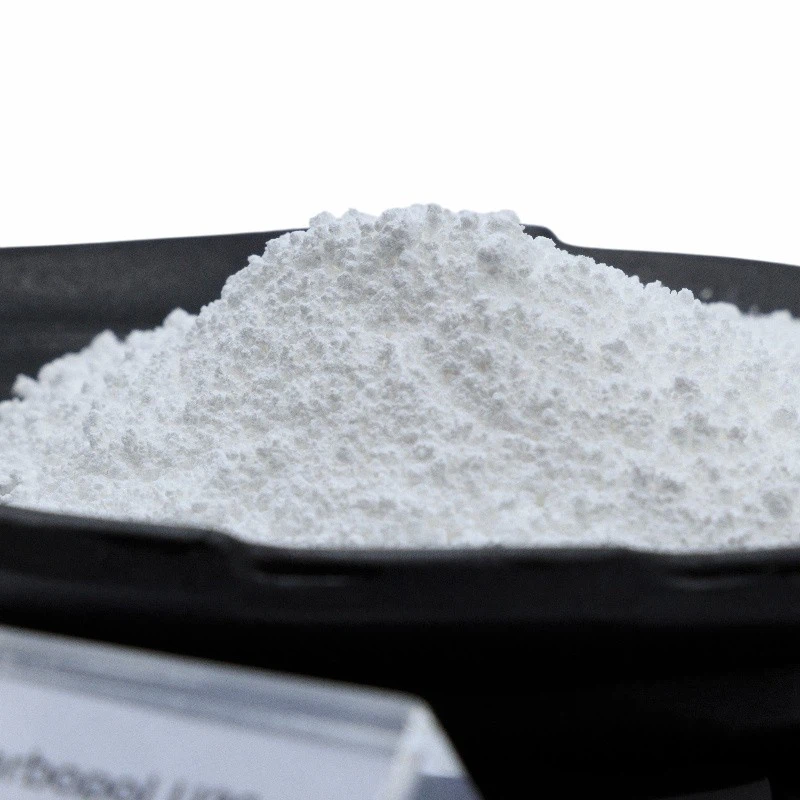
As a carbomer resin supplier, we offer a variety of high - quality carbomer products, each tailored to specific applications. For instance, SanCarbopol U20 is a versatile carbomer that provides excellent thickening and stabilizing properties. It is suitable for a wide range of cosmetic and pharmaceutical formulations.
SanCarbopol 2020 is another product in our portfolio. It has a unique cross - linking structure that results in a more shear - resistant gel. This makes it ideal for applications where the gel needs to maintain its consistency under mechanical stress, such as in some industrial coatings.
Carbomer SanCarbopol 980 is a high - performance carbomer that offers exceptional thickening power. It is commonly used in high - end cosmetic products and pharmaceutical formulations where a high - viscosity gel is required.
Quality Control and Assurance
We understand the importance of quality in the chemical industry. That's why we have a strict quality control system in place. From the selection of raw materials to the final product packaging, every step is carefully monitored. We conduct various tests, including molecular weight analysis, cross - linking density measurement, and viscosity testing, to ensure that our carbomer resin products meet the highest standards.
Contact Us for Procurement
If you are in need of high - quality carbomer resin for your business, we are here to help. Our team of experts can provide you with detailed information about our products and assist you in choosing the right carbomer resin for your specific application. Whether you are a small - scale manufacturer or a large - scale industrial enterprise, we can offer you competitive prices and reliable supply.
Don't hesitate to reach out to us to start a procurement discussion. We look forward to establishing a long - term partnership with you.

References
- Seymour, R. B., & Carraher, C. E. (2003). Polymer Chemistry. Marcel Dekker.
- Odian, G. (2004). Principles of Polymerization. Wiley - Interscience.
- Cosmetic Ingredient Review Expert Panel. (2005). Final report on the safety assessment of carbomer, carbomer 910, carbomer 934, carbomer 934P, carbomer 940, and carbomer 941. International Journal of Toxicology, 24(Suppl 3), 1 - 18.