

Air fresheners are a staple in many households and commercial spaces, designed to mask unpleasant odors and create a more inviting atmosphere. While traditional air fresheners often rely on synthetic fragrances, there is a growing trend towards using natural enzymes, such as papain, to achieve a similar effect. As a papain supplier, I am excited to delve into how papain works in air fresheners and explore its benefits.
Understanding Papain
Papain is a proteolytic enzyme extracted from the fruit, leaves, and latex of the papaya plant (Carica papaya). It has been used for centuries in traditional medicine and culinary practices due to its ability to break down proteins. In the modern world, papain finds applications in various industries, including food processing, cosmetics, and biotechnology. Papain is known for its high catalytic activity under a wide range of pH and temperature conditions, making it a versatile and effective enzyme.
The Problem with Traditional Air Fresheners
Traditional air fresheners typically work by releasing synthetic fragrances into the air to cover up unpleasant odors. However, these fragrances can contain a variety of chemicals, some of which have been linked to health problems such as respiratory irritation, headaches, and allergic reactions. Additionally, many synthetic air fresheners only mask the odor temporarily rather than eliminating it at the source.
How Papain Works in Air Fresheners
Papain's primary function in air fresheners is to break down the organic compounds that cause unpleasant odors. Many common odors, such as those from food, smoke, and pet waste, are caused by proteins and other organic substances. Papain acts as a catalyst to speed up the hydrolysis (breaking down) of these proteins into smaller peptides and amino acids.
When papain is incorporated into an air freshener, it is typically in a liquid or gel form that can be sprayed or diffused into the air. As the air freshener is dispersed, the papain molecules come into contact with the odor-causing proteins in the air. The enzyme then binds to the proteins at specific sites, known as active sites. Once bound, papain cleaves the peptide bonds in the proteins, breaking them down into smaller, less odorous molecules.
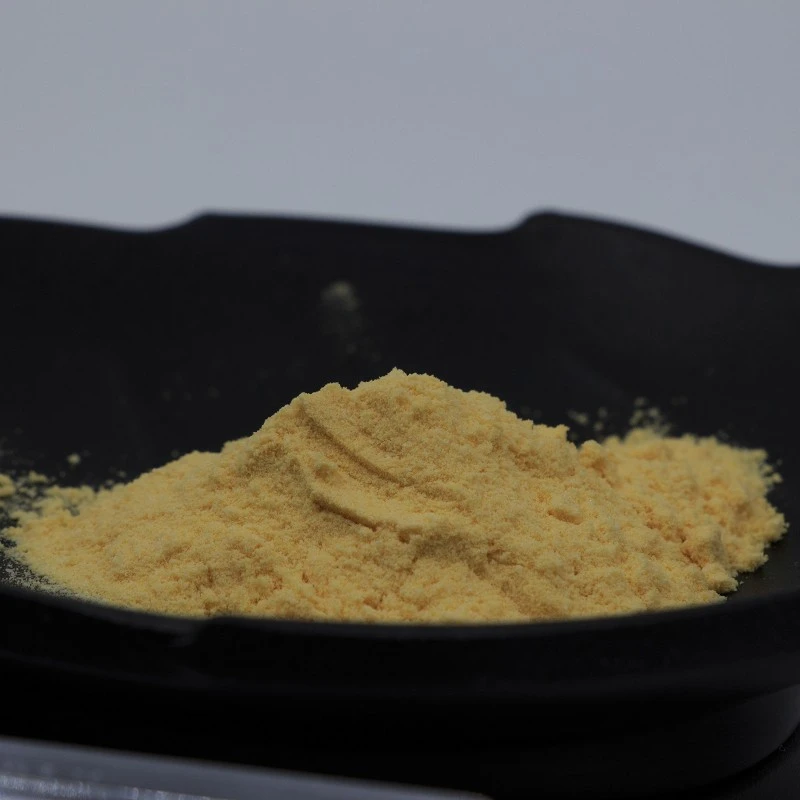

This process not only eliminates the source of the odor but also helps to prevent the growth of bacteria and fungi that can thrive on the organic matter. By reducing the amount of organic material in the air, papain can also improve indoor air quality and create a healthier environment.
Advantages of Using Papain in Air Fresheners
- Natural and Safe: Papain is a natural enzyme derived from the papaya plant, making it a safer alternative to synthetic fragrances and chemicals. It is biodegradable and non-toxic, which means it is less likely to cause harm to humans, pets, and the environment.
- Effective Odor Elimination: Unlike traditional air fresheners that simply mask odors, papain actually breaks down the odor-causing compounds at the source. This results in a more long-lasting and effective solution for reducing unpleasant smells.
- Versatility: Papain can be used to eliminate a wide range of odors, including those from food, smoke, pets, and mold. It is also effective in both residential and commercial settings, such as homes, offices, restaurants, and hotels.
- Compatibility with Other Ingredients: Papain can be easily combined with other natural ingredients, such as essential oils, to enhance its odor-eliminating properties and create a more pleasant scent. For example, the addition of lavender oil can provide a calming aroma while papain works to break down odors.
Comparison with Other Enzymes
While papain is a popular choice for air fresheners, there are other enzymes that can also be used for odor elimination. Two such enzymes are Bromelain and Superoxide Dismutase.
Bromelain is another proteolytic enzyme, but it is derived from the pineapple plant. Like papain, bromelain can break down proteins and is effective in reducing odors. However, bromelain is generally less stable than papain and may require more specific conditions to function optimally.
Superoxide Dismutase (SOD) is an antioxidant enzyme that helps to break down superoxide radicals, which are unstable molecules that can contribute to the formation of unpleasant odors. SOD is particularly effective in reducing odors associated with oxidative stress, such as those from stale air and pollutants. However, SOD is more expensive to produce than papain and may not be as widely available.
Applications in Different Environments
In households, papain-based air fresheners can be used in various rooms, such as kitchens, bathrooms, and living rooms, to eliminate odors from cooking, cleaning, and daily activities. They can also be used in cars to freshen the air and reduce the smell of tobacco smoke, food, and dirty laundry.
In commercial settings, papain air fresheners are ideal for restaurants, hotels, and hospitals. In restaurants, they can help to eliminate the smell of cooking, grease, and food waste, creating a more pleasant dining experience for customers. In hotels, papain air fresheners can ensure that rooms and common areas smell fresh and inviting, enhancing the overall guest experience. In hospitals, papain can be used to reduce the smell of medical waste and disinfectants, creating a more comfortable environment for patients and staff.
Quality and Sourcing of Papain
As a papain supplier, we understand the importance of providing high-quality products. Our papain is extracted from carefully selected papaya plants using advanced purification techniques to ensure its purity and activity. We also conduct rigorous quality control tests to ensure that our papain meets the highest standards.
When sourcing papain, it is essential to choose a supplier who can provide a consistent and reliable supply. We work closely with our farmers and production facilities to ensure that we can meet the demand for papain while maintaining its quality.
Contact for Procurement
If you are interested in using papain in your air freshener products, I encourage you to reach out to us. We can provide you with samples of our papain and discuss your specific requirements. Our team of experts is also available to offer technical support and guidance on the best way to incorporate papain into your formulations.
References
- "Enzymes in Industry: Production and Applications" by John F. Kennedy, et al.
- "The Handbook of Enzyme Biotechnology" by Chibata Ichiro.
- "Papain and Related Cysteine Proteinases" by John S. Bond and Evert Reeck Jr.