

Hey there! As an actives supplier, I often get asked about how to use actives in a negative sentence. It might sound a bit odd at first, but it's actually a pretty important topic, especially when you're trying to communicate specific product information or limitations. In this blog, I'll share some tips and examples to help you navigate this aspect of using actives effectively.
First off, let's understand what actives are. Actives are the key ingredients in a product that provide specific benefits. For example, Avena Sativa (Oat) Extract is known for its soothing and repairing properties, Ubiquinone is great for anti - aging, and Paeonol has anti - inflammatory effects.
When using actives in a negative sentence, the main goal is usually to clarify what the product doesn't do or what limitations it has. This can be really useful for setting the right expectations with your customers.
1. Using "not" with actives
The most straightforward way to use actives in a negative sentence is by adding "not" after the auxiliary verb. For example:
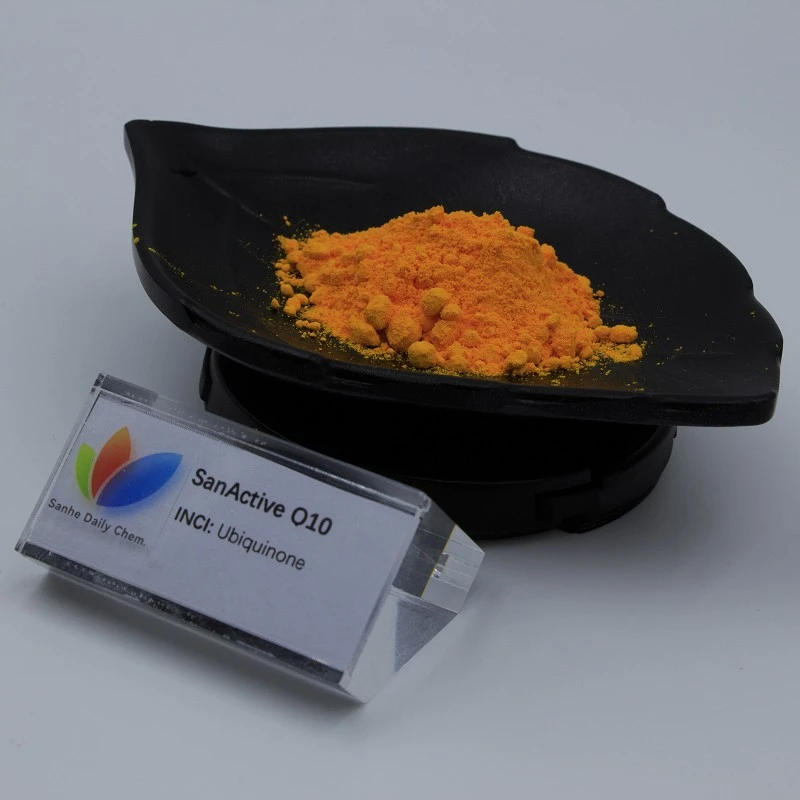
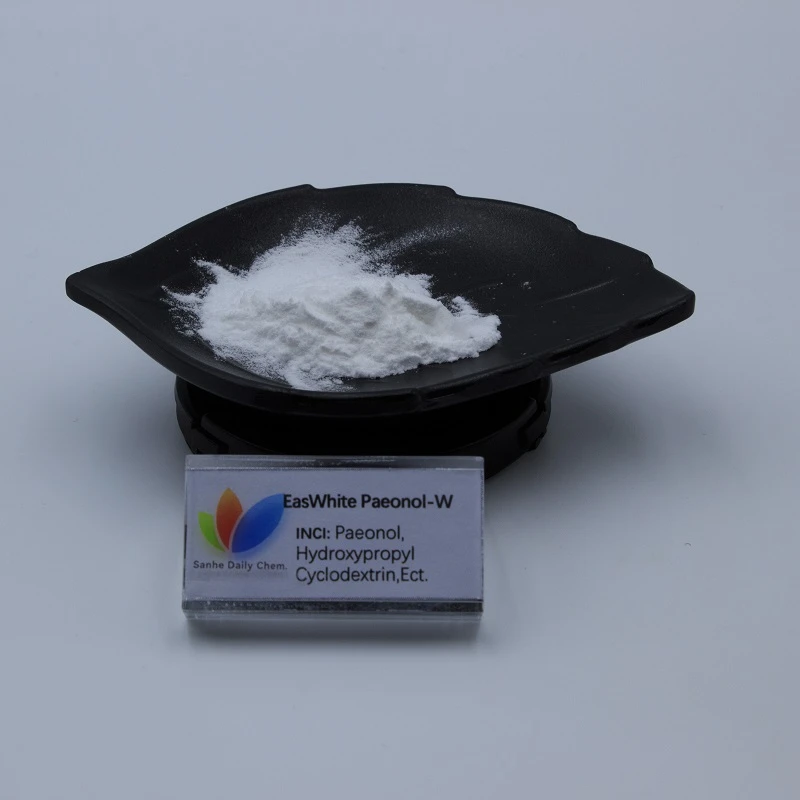
- "This product does not contain [Avena Sativa (Oat) Extract]." This clearly states that the specific active is absent from the product. It's a simple and direct way to communicate this information.
- "The serum will not show immediate results with [Ubiquinone]." Here, we're setting the expectation that while Ubiquinone is in the product, it won't have an instant effect. This helps manage customer expectations and avoids disappointment.
2. Negative phrases with actives
We can also use negative phrases to describe the limitations of actives. For instance:
- "Don't expect [Paeonol] to completely cure your skin inflammation overnight." This negative statement emphasizes that while Paeonol has anti - inflammatory properties, it's not a miracle cure.
- "It's not recommended to use [Avena Sativa (Oat) Extract] if you have a known allergy to oats." This negative advice is crucial for safety reasons, letting customers know when they should avoid using a particular active.
3. Using "never" with actives
"Never" is a strong negative word that can be used to give a strict warning.
- "Never mix [Ubiquinone] with certain acidic substances without proper knowledge." This is a safety warning, highlighting the potential risks of improper use of the active.
- "Never rely solely on [Paeonol] for treating severe skin conditions." It reminds customers that while Paeonol is beneficial, it might not be sufficient on its own for serious issues.
4. Using "no" before actives
We can use "no" to indicate the complete absence of an active.
- "There is no [Avena Sativa (Oat) Extract] in this new formula." This is a clear and definite statement about the non - presence of the active.
Examples in different contexts
In product descriptions
Let's say you're writing a description for a new moisturizer. You could say:
- "This moisturizer is great for daily use, but it does not contain [Ubiquinone], so it's not specifically formulated for anti - aging. However, it has other hydrating ingredients that will keep your skin soft and supple." This description helps customers understand the product's focus and what it doesn't offer.
In customer service responses
If a customer asks about a product's ability to treat a specific skin problem, you might respond:
- "I'm sorry, but [Paeonol] in our product is mainly for mild inflammation. It won't be able to completely resolve your severe acne issue. You might need to consider other treatments as well."
In marketing materials
When promoting a product, you can use negative statements to stand out. For example:
- "Our new cleanser is gentle on the skin. It doesn't use any harsh chemicals like [Avena Sativa (Oat) Extract] in its concentrated form, which could be irritating for some skin types."
Benefits of using actives in negative sentences
- Managing expectations: By clearly stating what a product doesn't do or what limitations it has, you can avoid customer disappointment. Customers will have a more realistic view of what the product can achieve.
- Safety: Negative statements can warn customers about potential risks, such as allergic reactions or improper use of actives.
- Differentiation: It can help your product stand out by highlighting what it doesn't have, which might be a selling point for some customers. For example, if a product doesn't contain a certain controversial active, it might appeal to more health - conscious consumers.
Conclusion
Using actives in negative sentences is an important skill for anyone in the actives supply business. It helps in clear communication, managing customer expectations, and ensuring safety. Whether you're writing product descriptions, responding to customers, or creating marketing materials, being able to use negative statements effectively can make a big difference.
If you're interested in learning more about our actives or have any questions about how to use them in your products, feel free to reach out. We're here to help you make the most of these powerful ingredients.
References
- General knowledge about actives in the cosmetic and skincare industry.
- Product information and research on [Avena Sativa (Oat) Extract], [Ubiquinone], and [Paeonol].