

As a supplier of carbomer resin, I've witnessed firsthand the widespread use and importance of this versatile polymer in various industries, from cosmetics and pharmaceuticals to personal care products. Carbomer resin, known for its exceptional thickening, stabilizing, and emulsifying properties, has long been a go-to ingredient for formulators seeking to enhance the texture and performance of their products. However, as the demand for sustainable, natural, and cost-effective alternatives grows, it's essential to explore the options available to meet the evolving needs of our customers.
Understanding Carbomer Resin
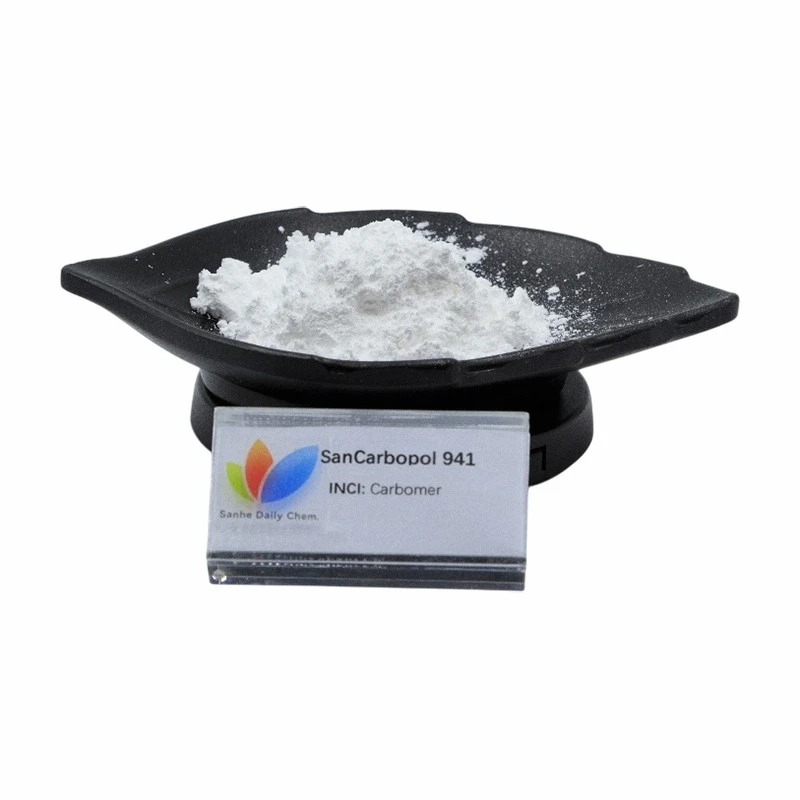
Before delving into the alternatives, let's briefly recap what carbomer resin is and why it's so widely used. Carbomer is a synthetic polymer derived from acrylic acid, which is cross-linked to form a high molecular weight structure. When dispersed in water, carbomer resin swells and forms a clear, viscous gel, making it an ideal thickening and stabilizing agent. It can also be used to adjust the pH of formulations, improve the suspension of particles, and enhance the sensory properties of products.
Some of the most popular carbomer resins in the market include Carbomer SanCarbopol 980 and Carbomer SanCarbopol 940. These products offer excellent thickening and stabilizing properties, making them suitable for a wide range of applications, including creams, lotions, gels, and suspensions.
Reasons for Seeking Alternatives
While carbomer resin has many advantages, there are several reasons why formulators may be looking for alternatives. These include:
- Sustainability: As consumers become more environmentally conscious, there is a growing demand for natural and sustainable ingredients. Carbomer resin is a synthetic polymer, which may not be suitable for products targeting the eco-friendly market.
- Cost: The cost of carbomer resin can be relatively high, especially for large-scale production. Formulators may be looking for more cost-effective alternatives to reduce their production costs.
- Regulatory requirements: Some regions may have specific regulatory requirements regarding the use of synthetic polymers in certain products. Formulators may need to find alternatives that comply with these regulations.
- Allergic reactions: Although rare, some individuals may be allergic to carbomer resin. Formulators may need to provide alternatives for customers with sensitive skin.
Alternatives to Carbomer Resin
There are several alternatives to carbomer resin available in the market, each with its own unique properties and applications. Here are some of the most common alternatives:

Natural Polysaccharides
Natural polysaccharides, such as xanthan gum, guar gum, and carrageenan, are derived from plants, algae, or bacteria. These polymers are biodegradable, renewable, and generally considered safe for use in food, cosmetics, and pharmaceuticals.
- Xanthan Gum: Xanthan gum is a polysaccharide produced by the fermentation of glucose or sucrose by the bacterium Xanthomonas campestris. It is a highly effective thickening and stabilizing agent, capable of forming a viscous gel at low concentrations. Xanthan gum is commonly used in food products, such as salad dressings, sauces, and dairy products, as well as in cosmetics and personal care products.
- Guar Gum: Guar gum is a polysaccharide derived from the seeds of the guar plant (Cyamopsis tetragonoloba). It is a natural thickening and emulsifying agent, which can be used to improve the texture and stability of products. Guar gum is commonly used in food products, such as ice cream, yogurt, and baked goods, as well as in cosmetics and pharmaceuticals.
- Carrageenan: Carrageenan is a polysaccharide extracted from red seaweed. It is a natural thickening and gelling agent, which can be used to improve the texture and stability of products. Carrageenan is commonly used in food products, such as dairy products, meat products, and desserts, as well as in cosmetics and pharmaceuticals.
Cellulose Derivatives
Cellulose derivatives, such as hydroxypropyl methylcellulose (HPMC), carboxymethyl cellulose (CMC), and methylcellulose (MC), are derived from cellulose, the most abundant polymer on earth. These polymers are biodegradable, renewable, and generally considered safe for use in food, cosmetics, and pharmaceuticals.
- Hydroxypropyl Methylcellulose (HPMC): HPMC is a cellulose derivative that is commonly used as a thickening, stabilizing, and emulsifying agent. It is soluble in cold water and forms a clear, viscous solution. HPMC is commonly used in food products, such as soups, sauces, and desserts, as well as in cosmetics and pharmaceuticals.
- Carboxymethyl Cellulose (CMC): CMC is a cellulose derivative that is commonly used as a thickening, stabilizing, and emulsifying agent. It is soluble in water and forms a clear, viscous solution. CMC is commonly used in food products, such as ice cream, yogurt, and baked goods, as well as in cosmetics and pharmaceuticals.
- Methylcellulose (MC): MC is a cellulose derivative that is commonly used as a thickening, stabilizing, and emulsifying agent. It is soluble in cold water and forms a clear, viscous solution. MC is commonly used in food products, such as soups, sauces, and desserts, as well as in cosmetics and pharmaceuticals.
Synthetic Polymers
In addition to carbomer resin, there are several other synthetic polymers that can be used as alternatives. These include:
- Acrylate Copolymers: Acrylate copolymers are synthetic polymers that are commonly used as thickening, stabilizing, and emulsifying agents. They are similar to carbomer resin in terms of their properties and applications. Acrylate copolymers are commonly used in cosmetics and personal care products, such as creams, lotions, and gels.
- Polyvinyl Alcohol (PVA): PVA is a synthetic polymer that is commonly used as a thickening, stabilizing, and emulsifying agent. It is soluble in water and forms a clear, viscous solution. PVA is commonly used in food products, such as adhesives, coatings, and films, as well as in cosmetics and pharmaceuticals.
Choosing the Right Alternative
When choosing an alternative to carbomer resin, it's important to consider several factors, including the specific application, the desired properties of the product, and the regulatory requirements. Here are some tips to help you choose the right alternative:
- Understand the application: Different alternatives may be more suitable for different applications. For example, natural polysaccharides may be more suitable for food products, while synthetic polymers may be more suitable for cosmetics and personal care products.
- Consider the properties: Each alternative has its own unique properties, such as thickening power, stability, and sensory properties. It's important to choose an alternative that meets the specific requirements of your product.
- Check the regulatory requirements: Make sure the alternative you choose complies with the regulatory requirements in your region. Some regions may have specific restrictions on the use of certain ingredients in certain products.
- Conduct compatibility tests: Before using an alternative in your product, it's important to conduct compatibility tests to ensure that it is compatible with the other ingredients in your formulation.
Conclusion
As a carbomer resin supplier, I understand the importance of providing our customers with high-quality products and solutions. While carbomer resin remains a popular choice for many applications, there is a growing demand for alternatives that are more sustainable, cost-effective, and compliant with regulatory requirements. By exploring the alternatives available in the market and choosing the right one for your specific application, you can meet the evolving needs of your customers and stay ahead of the competition.
If you're interested in learning more about carbomer resin or exploring the alternatives available, please feel free to contact us. Our team of experts is always ready to assist you with your formulation needs and provide you with the best solutions for your products.
References
- Davidson, R. L. (Ed.). (1980). Handbook of water-soluble gums and resins. McGraw-Hill.
- Lawrence, C. (2012). Natural polymers in cosmetic formulations. In Cosmetic polymers and plastics (pp. 1-22). Springer.
- Rowe, R. C., Sheskey, P. J., & Quinn, M. E. (Eds.). (2012). Handbook of pharmaceutical excipients. Pharmaceutical Press.