

Inositol, a remarkable and versatile compound, has been gaining significant attention in the fields of health, nutrition, and various industries. As a dedicated inositol supplier, I am excited to delve into the world of inositol, exploring its properties, functions, sources, and applications.
What is Inositol?
Inositol is a cyclic sugar alcohol that exists in nine different stereoisomers, with myo - inositol being the most common and biologically active form. Chemically, it has a six - carbon ring structure with each carbon atom attached to a hydroxyl group. This unique structure gives inositol its distinct properties and allows it to participate in a wide range of biochemical reactions within the body.
Biological Functions of Inositol
Role in Cell Signaling
Inositol plays a crucial role in cell signaling pathways. It is a component of phosphatidylinositol, a phospholipid found in cell membranes. When certain hormones or neurotransmitters bind to cell - surface receptors, they trigger a series of reactions that lead to the breakdown of phosphatidylinositol into inositol trisphosphate (IP3) and diacylglycerol (DAG). IP3 then acts as a second messenger, releasing calcium ions from intracellular stores, which in turn activates various cellular processes such as muscle contraction, secretion, and gene expression.
Lipid Metabolism
Inositol is involved in lipid metabolism. It helps in the transportation and metabolism of fats in the body. By promoting the breakdown of fats and preventing their accumulation in the liver and other tissues, inositol can contribute to maintaining healthy cholesterol and triglyceride levels. This function is particularly important for individuals at risk of cardiovascular diseases.
Mental Health
There is growing evidence suggesting that inositol may have beneficial effects on mental health. It has been studied for its potential role in treating conditions such as depression, anxiety, and obsessive - compulsive disorder (OCD). Inositol may modulate the activity of neurotransmitters such as serotonin, dopamine, and norepinephrine, which are involved in regulating mood, emotions, and behavior.
Sources of Inositol
Dietary Sources
Inositol can be obtained from a variety of dietary sources. Foods rich in inositol include fruits (such as oranges, cantaloupe, and bananas), vegetables (like spinach, broccoli, and Brussels sprouts), grains (such as wheat germ and oats), and nuts (such as almonds and walnuts). Additionally, some dairy products and legumes also contain significant amounts of inositol.
Biosynthesis
The human body can also synthesize inositol from glucose. The synthesis occurs primarily in the kidneys and the small intestine. However, in certain situations, such as during pregnancy, lactation, or in the presence of certain medical conditions, the body's demand for inositol may exceed its ability to synthesize it, making dietary intake or supplementation necessary.
Applications of Inositol
Nutritional Supplements
Inositol is widely used in the production of nutritional supplements. It is often combined with other vitamins, minerals, and bioactive compounds to create products aimed at promoting overall health, supporting mental well - being, and improving lipid metabolism. These supplements are popular among consumers who are looking for natural ways to enhance their health and manage specific health conditions.
Cosmetics
In the cosmetic industry, inositol is used for its moisturizing and skin - conditioning properties. It can help to improve the skin's barrier function, reduce moisture loss, and enhance the skin's elasticity and smoothness. Inositol - containing cosmetics are suitable for various skin types, especially dry and sensitive skin.
Animal Feed
Inositol is an essential nutrient for animals. It is added to animal feed to support the growth, development, and overall health of livestock, poultry, and fish. Inositol helps in maintaining proper lipid metabolism in animals, which is important for their growth and productivity.
Inositol and Other Bioactive Compounds
Inositol often works in synergy with other bioactive compounds to enhance its effects. For example, it can be combined with Ampelopsis Grossedentata Leaf Extract, which is known for its antioxidant and anti - inflammatory properties. The combination may provide enhanced health benefits, such as improved skin health and protection against oxidative stress.
Similarly, Medicago Sativa (Alfalfa) Extract is rich in vitamins, minerals, and bioactive compounds. When combined with inositol, it may support overall health and well - being, especially in terms of nutrition and metabolism.
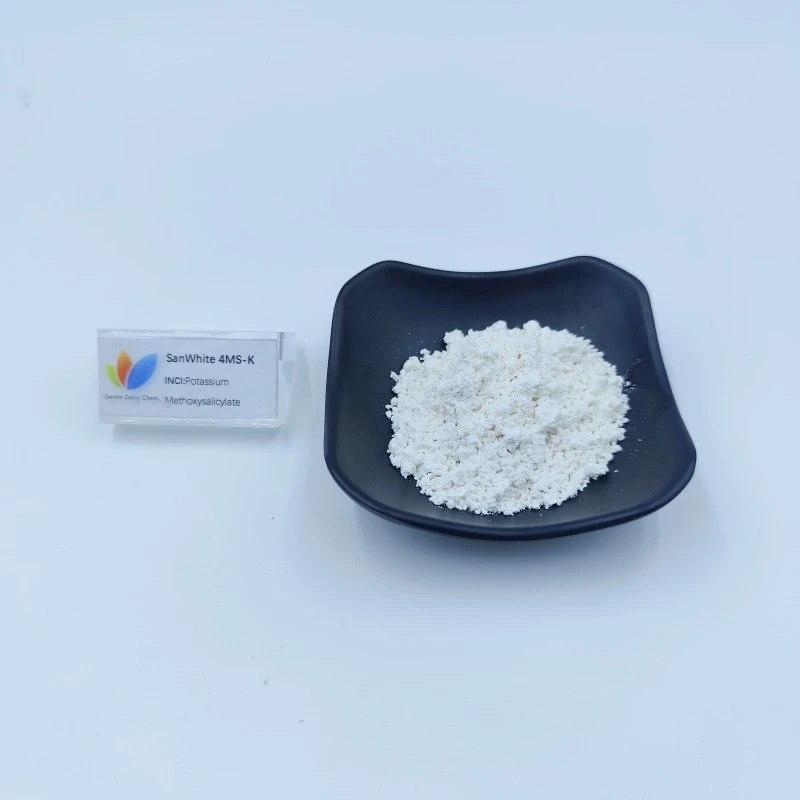
Potassium Methoxysalicylate is another compound that can be used in combination with inositol. It has certain anti - inflammatory and analgesic properties, and the combination may have potential applications in the treatment of various health conditions.
Quality Assurance as an Inositol Supplier
As an inositol supplier, we are committed to providing high - quality inositol products. Our inositol is sourced from reliable raw material suppliers and undergoes strict quality control measures at every stage of production. We use advanced manufacturing processes to ensure the purity, stability, and bioavailability of our inositol products.
We conduct comprehensive testing on our products, including tests for identity, purity, moisture content, and microbial contamination. Our quality control team follows international standards and regulations to guarantee that our inositol meets the highest quality requirements.
Contact Us for Inositol Procurement
If you are interested in purchasing inositol for your business or personal use, we would be delighted to discuss your requirements. Our team of experts can provide you with detailed information about our inositol products, including specifications, pricing, and delivery options. Whether you are in the nutritional supplement industry, cosmetics industry, or animal feed industry, we have the right inositol solution for you.
References
- Bazan NG. Inositol lipids in cell regulation. FASEB J. 1989;3(13):2918 - 2926.
- Levine J, Belmaker RH, Szadoczky E, et al. Inositol treatment of panic disorder. Am J Psychiatry. 1995;152(6):913 - 915.
- Preedy VR, Watson RR, eds. Biomarkers in Nutrition. Academic Press; 2014.