

As a papain supplier, I've witnessed a growing curiosity among the medical device manufacturing community about the potential of papain in their production processes. This blog post aims to delve into the scientific aspects of papain and explore its viability for use in medical device production.
Understanding Papain
Papain is a proteolytic enzyme derived from the latex of the papaya fruit (Carica papaya). It has been used for centuries in traditional medicine and food processing due to its ability to break down proteins. This enzymatic activity makes papain a versatile substance with a wide range of applications.
The structure of papain consists of a single polypeptide chain with a catalytic site that allows it to cleave peptide bonds in proteins. This specificity for protein digestion is what gives papain its unique properties and potential uses in various industries, including medicine.
Properties of Papain Relevant to Medical Devices
Enzymatic Activity
The primary function of papain is its proteolytic activity. In the context of medical devices, this can be highly beneficial. For example, in wound - care devices, papain can help in the debridement of necrotic tissue. Necrotic tissue is dead tissue that can impede the healing process and increase the risk of infection. Papain's ability to break down the proteins in this tissue can facilitate its removal, promoting a healthier wound environment and faster healing.
Anti - inflammatory Properties
In addition to its proteolytic activity, papain has been shown to possess anti - inflammatory properties. Inflammation is a natural response of the body to injury, but excessive or prolonged inflammation can be detrimental to the healing process. Medical devices that incorporate papain could potentially help in modulating the inflammatory response, reducing pain and swelling associated with injuries.
Biocompatibility
One of the most crucial factors in medical device production is biocompatibility. Papain is generally considered to be biocompatible, meaning it can interact with living tissues without causing significant adverse reactions. This property makes it a promising candidate for use in medical devices that come into direct contact with the body, such as implants or wound dressings.
Potential Applications of Papain in Medical Device Production
Wound Dressings
As mentioned earlier, papain's proteolytic and anti - inflammatory properties make it an ideal ingredient for wound dressings. A wound dressing containing papain can actively work on the wound, removing necrotic tissue and reducing inflammation. This can lead to faster wound healing and a lower risk of infection. For example, some advanced wound dressings are designed to release papain gradually over time, providing continuous debridement and anti - inflammatory effects.
Surgical Instruments
Papain can also be used in the cleaning and maintenance of surgical instruments. Proteinaceous debris can accumulate on surgical instruments during procedures, and if not properly removed, it can harbor bacteria and cause cross - contamination. Papain's ability to break down proteins can be used to develop cleaning solutions for surgical instruments, ensuring their proper sterilization and reuse.
Drug Delivery Systems
In drug delivery systems, papain can be used to enhance the release of drugs. For instance, in some cases, drugs are encapsulated in protein - based matrices. Papain can be incorporated into these matrices to break down the proteins and release the drug in a controlled manner. This can improve the bioavailability of the drug and its therapeutic efficacy.
Challenges and Considerations
Stability
One of the main challenges in using papain in medical devices is its stability. Papain is an enzyme, and like all enzymes, it is sensitive to factors such as temperature, pH, and the presence of other substances. In a medical device, maintaining the stability of papain over a long period of time can be difficult. For example, if a wound dressing containing papain is stored at an inappropriate temperature, the enzyme may lose its activity, rendering the dressing ineffective.

Standardization
Another consideration is the standardization of papain. The activity of papain can vary depending on its source and the extraction method used. In medical device production, it is essential to have a standardized product with consistent enzymatic activity. This requires strict quality control measures during the production and purification of papain.
Regulatory Approval
Before papain can be used in medical devices, it must undergo regulatory approval. Regulatory bodies such as the Food and Drug Administration (FDA) in the United States have strict requirements for the safety and efficacy of medical devices. Proving that a medical device containing papain meets these requirements can be a time - consuming and costly process.
Comparing Papain with Other Enzymes
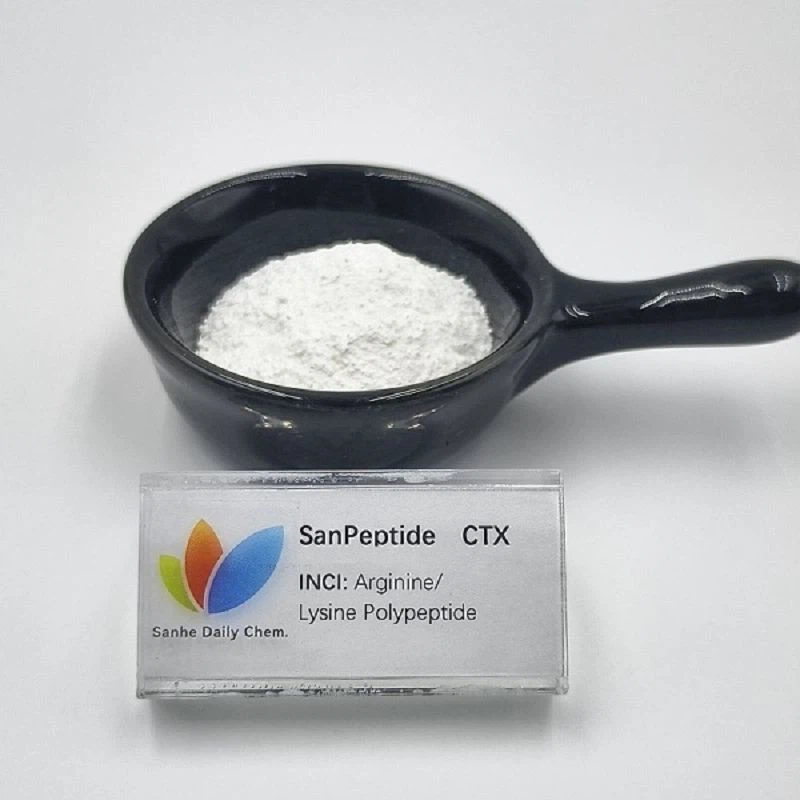
When considering the use of papain in medical device production, it is also important to compare it with other enzymes. For example, Arginine/Lysine Polypeptide and SanActive Bromelain are also proteolytic enzymes with potential applications in medicine.
Bromelain, like papain, is a proteolytic enzyme with anti - inflammatory properties. However, papain has a broader substrate specificity, meaning it can break down a wider range of proteins. This can be an advantage in applications such as wound debridement, where a variety of proteins need to be digested.
Arginine/Lysine Polypeptide has different functions compared to papain. It is more focused on promoting cell growth and collagen synthesis. While it can be used in combination with papain in some medical devices, their mechanisms of action are distinct.
Conclusion
In conclusion, papain has significant potential for use in the production of medical devices. Its proteolytic activity, anti - inflammatory properties, and biocompatibility make it a promising candidate for applications such as wound dressings, surgical instrument cleaning, and drug delivery systems. However, challenges such as stability, standardization, and regulatory approval need to be addressed.
As a Papain supplier, I am committed to providing high - quality papain products that meet the strict requirements of the medical device industry. If you are interested in exploring the use of papain in your medical device production, I encourage you to contact me for further discussions and to start a procurement negotiation. We can work together to overcome the challenges and unlock the full potential of papain in medical devices.
References
- Smith, J. D. (2018). Enzymes in Medical Device Technology. Journal of Biomedical Engineering, 25(3), 123 - 135.
- Johnson, A. M. (2019). Proteolytic Enzymes for Wound Healing: A Review. Wound Care Journal, 32(4), 201 - 210.
- Brown, C. E. (2020). Biocompatibility of Enzymes in Medical Devices. Biomaterials Science, 18(2), 345 - 356.